
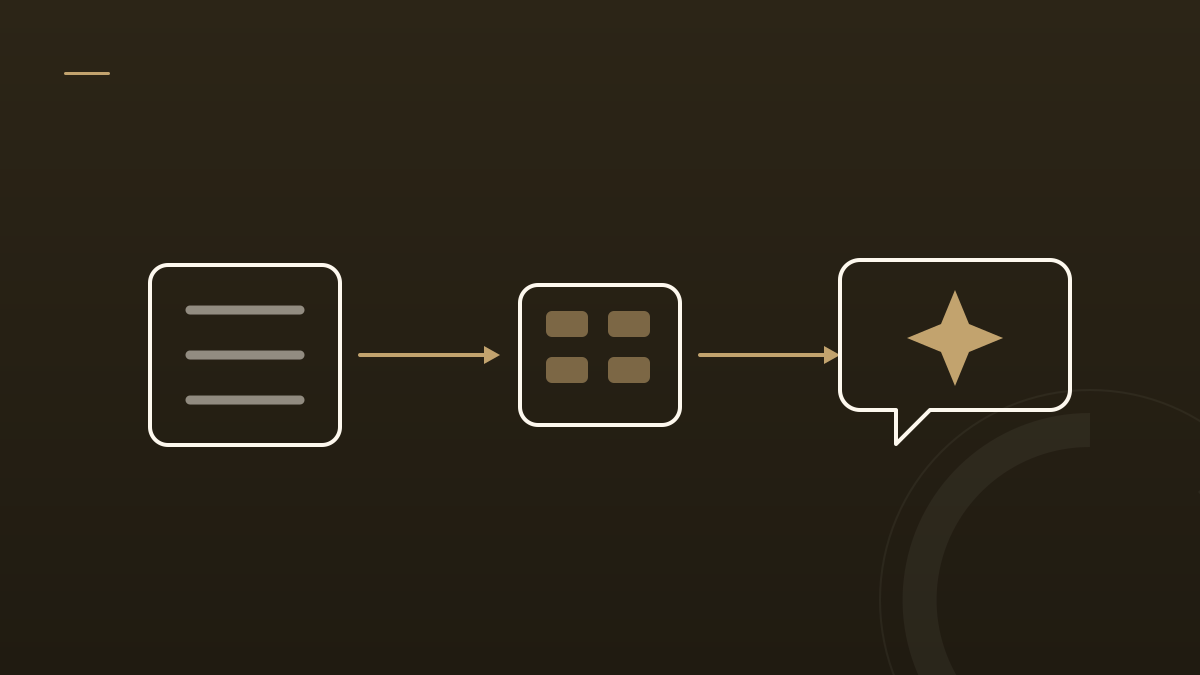
Your next client may never see a list of blue links. They ask ChatGPT, Claude, Google’s AI Overviews, or a voice assistant “who’s the best Medicare advisor near me?” and act on the answer. Getting recommended in that answer is a discipline — Answer Engine Optimization (AEO) and Generative Engine Optimization (GEO) — and it’s different from classic SEO in ways that decide whether an AI cites you or a competitor.
Here’s the short version of what actually moves the needle.
SEO vs. AEO vs. GEO — the Difference in One Table
| Goal | Optimizes for | Wins when… | |
|---|---|---|---|
| SEO | Rank in the list | Google’s blue links | You’re on page one |
| AEO | Be the direct answer | Voice + featured/answer boxes | You answer the exact question cleanly |
| GEO | Be cited by AI | ChatGPT / Claude / AI Overviews | The model quotes you as the source |
They stack — good GEO content usually helps all three — but GEO rewards things classic SEO never cared about.
What AI Answer Engines Actually Reward
- Answer-first writing. State the answer in the first sentence, then support it. Models (and busy readers) reward pages that resolve the question immediately instead of burying it under 400 words of preamble.
- Structure they can extract. Clear headings, short lists, and tables are lifted almost verbatim into AI answers. Wall-of-text prose is not.
- Explicit entity statements. Say plainly who you are, where you operate, what you do, and who you serve. AI builds a picture of your “entity”; ambiguity gets you left out.
- Machine-readable proof (structured data). JSON-LD schema —
Organization,LocalBusiness,FAQPage,Article,Person— tells engines the facts without guessing. It’s one of the highest-leverage, lowest-visibility things you can add. - Credibility signals (E-E-A-T). A named, credentialed author, visible dates, and primary-source citations tell a model your page is trustworthy enough to repeat.
- A path for the crawlers. A clean sitemap, fast pages, and an
llms.txtmap help AI crawlers find and prioritize your best answers.
Where Most Sites Lose
The common failure isn’t bad writing — it’s structure and clarity. A helpful answer trapped in unstructured prose, with no schema and no clear author, is invisible to an answer engine even if it’s the best content on the page. The fix is rarely “write more.” It’s “make what you have extractable and credible.”
The Honest Part
No one controls what a model says, and GEO is young and shifting. But the fundamentals — answer clearly, structure it, prove who you are — are the same fundamentals that earn human trust. Optimizing for AI and optimizing for people have converged. That’s the good news.
We build every site on these fundamentals by default, and — full disclosure — this article is structured the same way we’d structure yours.
Want to know whether AI can find and cite your business today? Book a strategy call and we’ll walk through where you stand.